
Why Photographers Don’t Give Away RAW Files
If you’ve ever booked a professional photographer, you may have wondered: Why don’t photographers give out RAW files? It’s a common question, and an important one.
As a professional photographer, my goal isn’t just to take photos, but to deliver finished images that reflect my style, experience, and attention to detail. RAW files play a critical role in the editing process, but photographers do not deliver them as the final product.
Let’s break down what RAW files are, why photographers don’t give them away, and above all, how this approach ultimately safeguards both the photographer’s creative vision and their business integrity.
For example, when a photographer gives RAW files to a client, the client may edit them poorly and share the altered images on social media. As a result, those photos no longer reflect the photographer’s original style, which can confuse potential clients and negatively impact the photographer’s perceived quality of work.
This underscores the importance of delivering only the finished product, maintaining both artistic quality and clarity in professional representation.

What Is a RAW File?
Photographers deliver fully edited, high-resolution JPEGs—polished, refined, and ready for printing, sharing, and enjoying.
3 Key Reasons Photographers Don’t Give Away RAW Files
1. RAW Files Are Not a Finished Product
Photography doesn’t end when the shutter clicks. Editing is where:
- Colors are corrected
- Exposure is balanced
- Skin tones are perfected
- Artistic style comes to life
Sharing RAW files would be like a baker handing you raw ingredients instead of a finished cake.
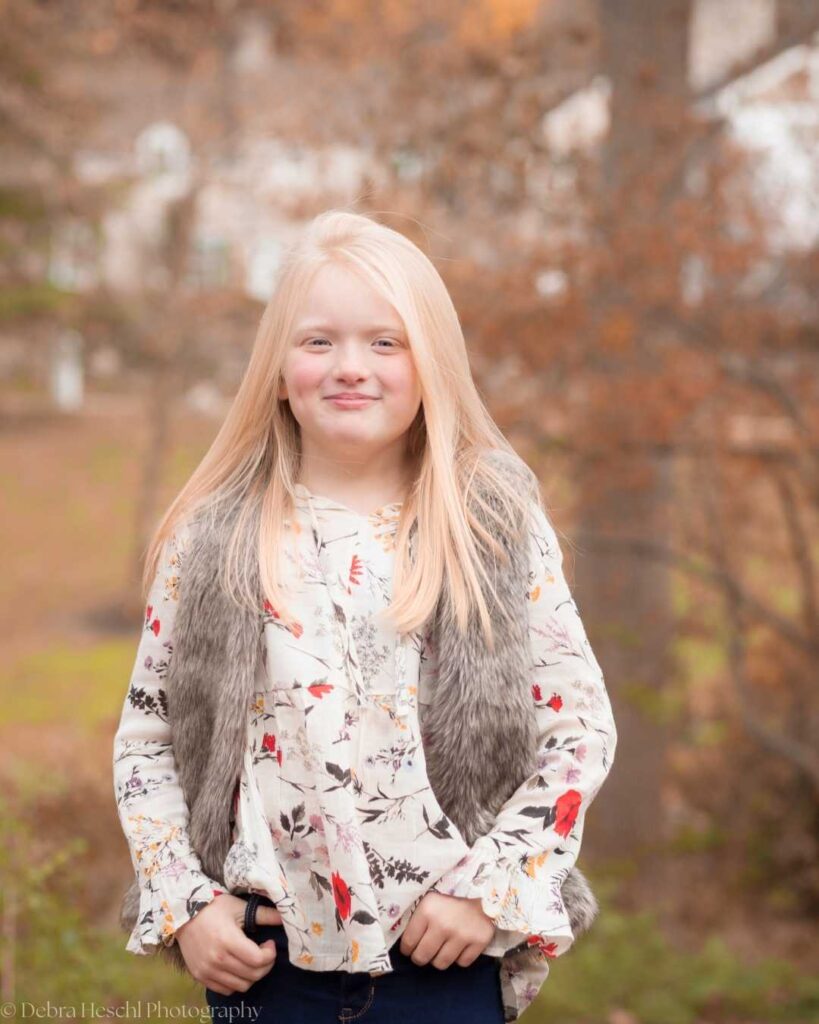
The final edited image is the complete experience you’re investing in.
2. RAW Files Don’t Represent the Photographer’s Work or Brand
Every photographer has a unique editing style, which is a major reason clients hire us. If RAW files are edited by someone else or altered later:
- The images may no longer reflect my style
- Colors, tones, and quality can change dramatically
- My work could be misrepresented if shared online

Protecting RAW files protects creative integrity and ensures consistent quality.
3. RAW Files Require Specialized Software & Experience
RAW files aren’t user-friendly:
- They can’t be opened on most phones or computers
- They require programs like Lightroom or Photoshop
- Improper editing can easily ruin an image
Most clients don’t want to spend hours learning professional software; they want images that look beautiful right away. And that’s exactly what the final edited images provide.

For those persistent clients who request RAW files, it’s essential to maintain firm yet polite boundaries. You might say:
‘I understand the interest in having RAW files. However, part of my service includes ensuring the images accurately reflect my professional style and quality, which is why I only provide fully edited images.’
Furthermore, this approach ensures you receive the best final product as envisioned during our session!
Setting Clear RAW File Expectations in Your Contract
Here is a sample clause you might consider including in your contract:
“The client understands that RAW files are not included with the final deliverables. Only fully edited JPEG images will be provided. All image editing and retouching will be done at the photographer’s discretion, in line with the agreed-upon style communicated prior to the session.”
Why This Benefits You as a Photographer
Keeping RAW files in-house isn’t about limitation; it’s about quality, consistency, and professionalism.
By delivering only final edited images, you:
- Ensure consistent color, exposure, and style
- Present images that accurately reflect your brand
- Deliver files that are print-ready and client-friendly
- Protect the value of your editing time and expertise
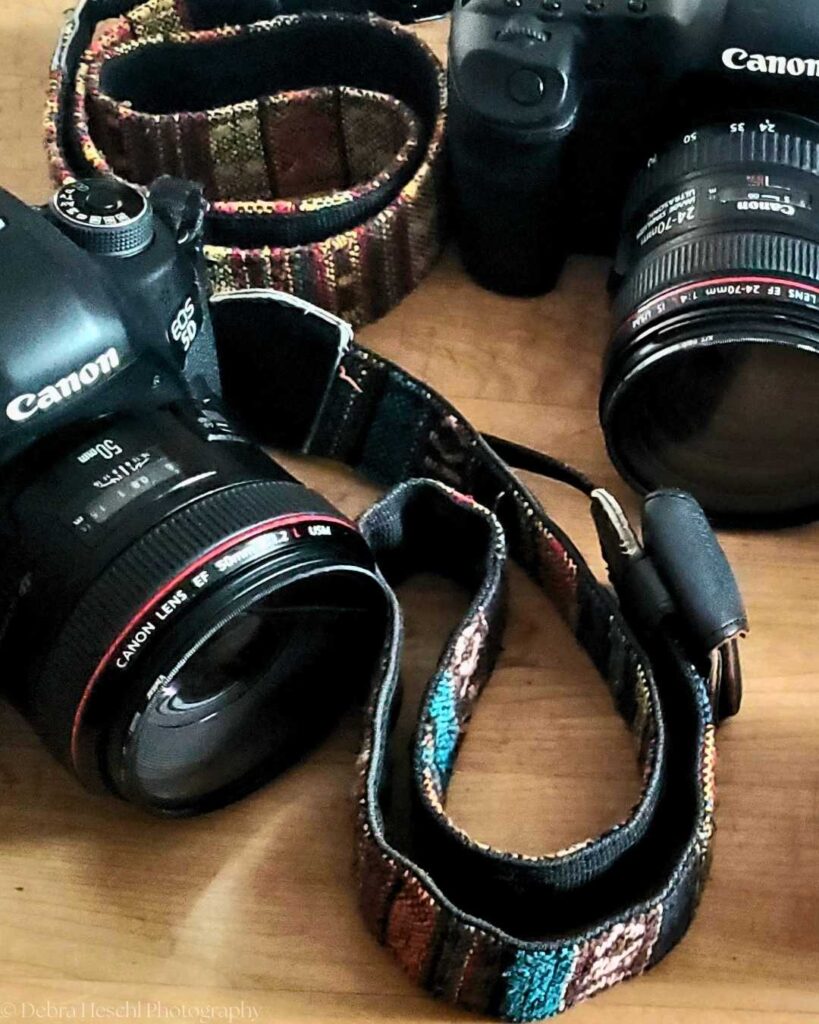
Your goal as a photographer isn’t just to take photos; it’s to deliver a finished product that represents your skill today and supports your reputation for years to come.
Helpful Tips for Photographers
Clear communication and confident boundaries help create smoother workflows, happier clients, and stronger long-term results for your photography business.
- Clearly explain your editing process during the booking stage
- Set expectations about image delivery before the session
- Invite clients to share style preferences early on
- Offer additional retouching or edits as an upsell option
- Provide extra finished images instead of offering RAW files

Frequently Asked Questions
Recommended Posts You’ll Fancy!



Final Thoughts
RAW files support the creative and editing process, but photographers do not deliver them as final images. By keeping RAW files in-house, photographers ensure consistent quality, protect their work, and provide clients with the very best version of their memories.
I always clarify image delivery, editing, and gallery contents. Clear communication protects your work and ensures clients receive polished, professional results.
Pin for Later!
