
The Importance of Printing Photos: Why Printed Memories Still Matter
The importance of printing photos allows us to capture a specific moment in time and preserve it for generations to come so we can relive those wonderful memories again and again.
Do you remember using a film camera to take photos? I certainly do. You would fill that roll of film and couldn’t wait to get to the store to have it developed. Then came the hardest part, waiting patiently until your photos were ready.
Once those prints were finally in your hands, you would immediately start reminiscing about moments that might otherwise have been quickly forgotten.

Remembering the Days When Photos Were Printed
Even before I became a professional photographer, I was always taking pictures. When my grandmother handed me a 35mm point-and-shoot camera, I took it everywhere—to school, family functions, and anywhere else I could snap photos. I absolutely loved it!
I remember my aunt and grandmother stopping at the Fotomat booth before going grocery shopping. Once we finished our shopping, we’d drive back through to pick up our freshly developed pictures.

We were always so excited to flip through the stack of prints, hoping they had turned out well. Those are memories I’ll never forget.
Today, things are very different. Nearly everyone has a camera in their pocket thanks to smartphones.
Now, we take thousands of photos and videos, instantly share them on social media, and store them on our phones, computers, or in the cloud. It’s convenient, but how often do we actually print those photos?
Why You Should Print Your Photos
Holding a physical photograph in your hands is a completely different experience than scrolling through images on a screen.
Displaying your favorite photographs throughout your home keeps those memories alive every single day.
While digital technology makes sharing our lives easier than ever, we still live in a tangible world.
Printed photographs connect us to our past, reminding us of the people, places, feelings, and stories that have shaped our lives. In many ways, they also help tell the story of who we are.
Why Printed Photos Are Better Than Digital Photos
Digital images are wonderful for sharing, but printed photos offer something technology simply can’t replace.
When your favorite family photos are framed on your walls or displayed in albums, they become part of your everyday life instead of being buried on a phone or hard drive.
Printed photographs:
- Create lasting family heirlooms
- Bring warmth and personality to your home
- Encourage conversations and storytelling
- Can be enjoyed without technology
- Preserve memories for future generations

Why We Should Start Printing Our Photos Again
Printing your photographs allows you to relive precious moments with family and friends. Looking through printed photos together often brings back stories, laughter, and memories that might otherwise be forgotten.
Most importantly, printed photographs provide a tangible family history that future generations can easily discover and enjoy.
Preserve Those Cherished Memories
Printed photos become priceless keepsakes that can be passed down through generations. They preserve birthdays, weddings, family vacations, holidays, everyday moments, and all of life’s milestones.
Years from now, your children and grandchildren will treasure those printed memories far more than a forgotten folder on an old computer.

10 Reasons Why You Should Print Your Photos
- Future generations will discover fascinating details about your family’s history.
- Cell phones can be lost, stolen, or damaged.
- Printed photos preserve memories for future generations.
- Computers can crash without warning.
- Hard drives can become corrupted.
- Cloud storage requires ongoing management and often monthly fees.
- Printing is one of the safest ways to preserve your memories.
- Looking through photo albums together creates meaningful family connections.
- Physical prints carry emotional significance that digital images often cannot.
- Most importantly—memories matter!
The Risks of Purchasing Digital Files Only
When you choose to purchase only digital files from a photographer, there’s always a chance your printed products won’t look the way you expected.
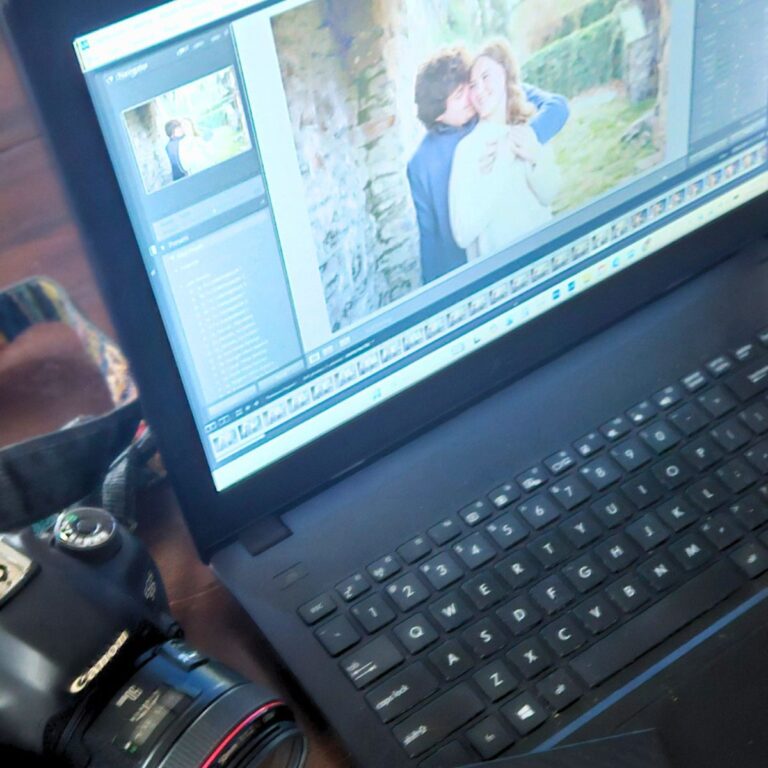
Professional photographers spend hours carefully editing, color-correcting, and preparing images specifically for professional printing.
Proper cropping, sharpening, and color calibration all play an important role in producing beautiful, true-to-life prints.
Consumer print labs often don’t match the quality of professional labs, which can result in prints with dull colors, poor contrast, inaccurate skin tones, or awkward cropping.
If you want artwork that will truly last, professional printing is well worth the investment.
Why Buy an Archival-Quality Handmade Photo Album?

Photographs were meant to be printed.
There is nothing quite like a beautifully handcrafted, archival-quality photo album that tells your family’s story.
Unlike online galleries that may eventually disappear, a well-made album becomes a treasured heirloom that can be enjoyed for decades.
Albums aren’t simply collections of photographs, they tell the story of your life. Every page brings back memories, emotions, and milestones in vivid detail.
Many professional photographers spend hours, and sometimes even days, carefully designing albums so each photograph is displayed as a work of art.
An archival-quality album is an investment that will last for generations, allowing your family to revisit those memories anytime.
Recommended Posts You’ll Fancy!


Frequently Asked Questions
Final Thoughts
Technology will continue to change, but printed photographs never go out of style.
Whether it’s a framed portrait on your wall, a family album on your coffee table, or a box of treasured prints tucked away for future generations, your photographs deserve to be seen, held, and shared.
Don’t let your memories live only on a screen. Print your photos and preserve your family’s story for generations to come.
Pin for Later!
