
Photography Copyright Information for Clients
Understanding the photography copyright information is important for every client who invests in professional photos.
Let’s walk through what copyright means, who owns your photo copyright, and what your photo usage rights include.
Post Updated January 14, 2026
What Is Copyright?
When the term copyright is used, it refers to the legal protection provided by the Federal Copyright Act (Title 17 of the United States Code).
In most cases, the photographer owns the copyright to the images they create unless a written agreement transfers that ownership. This helps clarify who owns photo copyright from the start.
These photographer copyright laws protect photographers by giving the creator of the photograph the exclusive right to:
- Reproduce the image
- Edit or modify the image
- Distribute the image
- Sell or transfer the image
Copyright Summary
The photographer automatically owns the copyright in every image and may transfer ownership only by written agreement.
Clients receive photo usage rights, not ownership
This means you may use your images only as outlined in your agreement. Typical allowed uses often include printing images for personal use, sharing photos on personal social media accounts, and displaying them in private settings.
For example, you might use these photos on holiday cards or wedding invitations, to illustrate a personal blog, or as part of a non-commercial art project.
That said, promotional uses like posting on a business website or using images in advertising usually require additional licensing.
Since every contract is different, it’s always best to review your specific usage rights.
Scanning, editing, downloading, or sharing photos without permission may result in copyright infringement in photography.
However, if you’re unsure whether you can post, edit, or print your photos, just ask—I’m always happy to help!
Why Copyright Matters for Your Photos
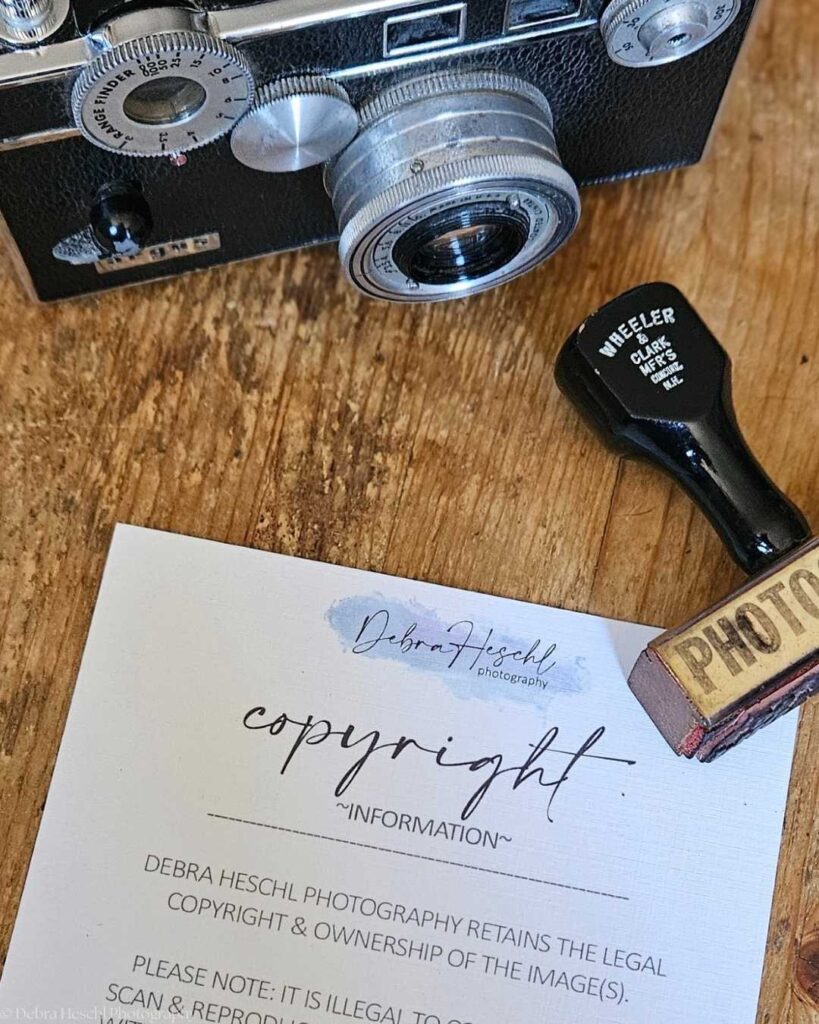
Copyright law makes it illegal to copy, scan, edit, download, screenshot, or share images without permission. This includes both printed photos and digital files.
Violating these laws may result in civil or criminal penalties, which is why understanding copyright infringement in photography is so important for clients
Photography is a form of artwork, and copyright protection preserves the value, integrity, and originality of each image.
Share or Print Your Photos
If you’re wondering:
- Can I post professional photos online?
- Can I order more prints?
- Can I use my images for business or promotional purposes?
Please reach out! Your client photo usage rights depend on your specific agreement. That said, I’m happy to work with you to accommodate most reasonable requests. In some cases, additional licensing fees may apply.
To request additional uses, clients can contact us directly to discuss their needs. Licensing fees are determined based on the type of use, duration, and distribution scope.
This ensures fairness and flexibility in extending rights. Furthermore, I am happy to help you understand what’s allowed.
What Counts as Copyright Infringement in Photography
Copyright infringement photography issues may occur if:
- Scanned Images
- Claiming the Photo as your own
- Editing or manipulating the image without explicit permission
- Screenshot or downloading the image without authorization
If you’re unsure, please don’t hesitate to ask first so I can help clarify. I’m always happy to help!
Frequently Asked Questions
Understanding Your Photo Usage Rights
Every photography contract includes specific client photo usage rights for printing, sharing, and posting images online.
To learn more about what’s allowed for your session, just click here to view your printing & sharing rights.
Quick Copyright Summary
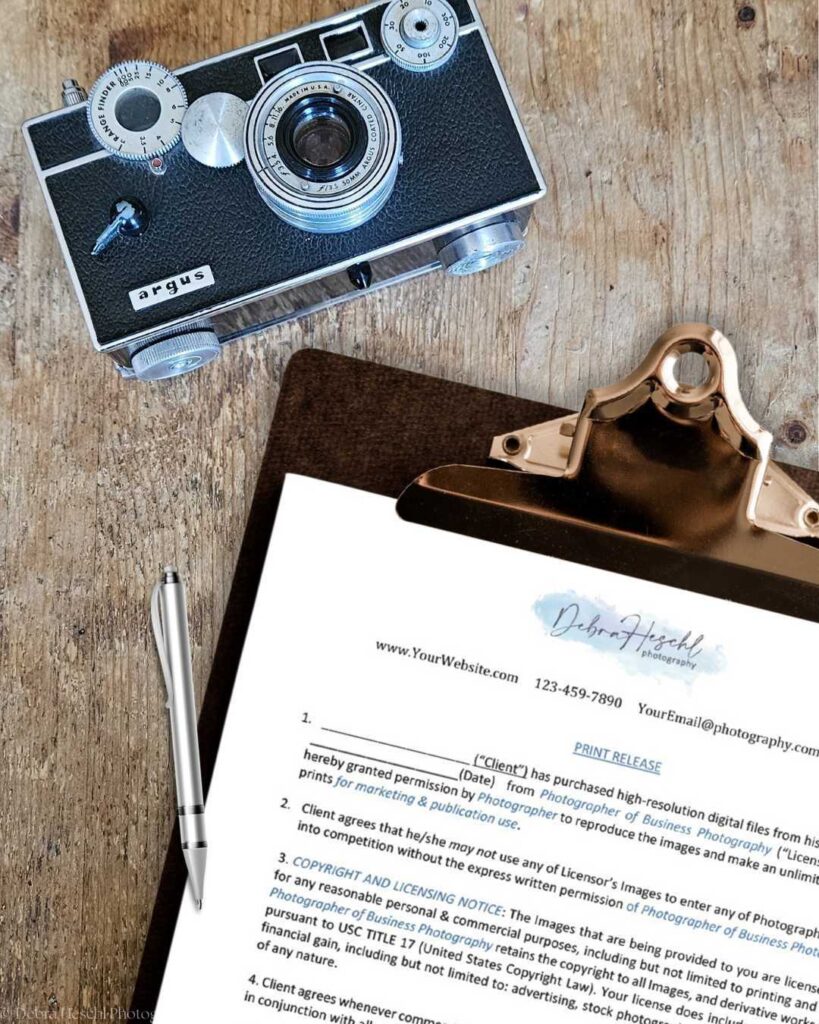
This is a summary for reference only. Your signed contract will outline your official usage rights and copyright ownership.
Copyright Ownership:
All images are subject to federal copyright law, and the photographer retains ownership unless they expressly transfer ownership in writing.
Usage Rights:
Clients receive limited usage rights for personal purposes, such as printing, sharing online, or posting on social media, as specified in the agreement. The photographer retains ownership of the images.
Prohibited Actions:
Scanning, editing, claiming as your own, downloading, or sharing images outside the usage rights without written permission is prohibited.
Requests & Licensing:
Additional uses, including commercial use, extra prints, or edits, may require written permission and/or an additional licensing fee.
Recommended Posts You’ll Fancy!


Final Thoughts
Understanding the copyright information in photography protects both photographers and clients. Clear expectations help ensure your images are used respectfully, legally, and beautifully.
If you have questions about copyright, usage rights, or sharing your photos, I’m always happy to help.
One Comment