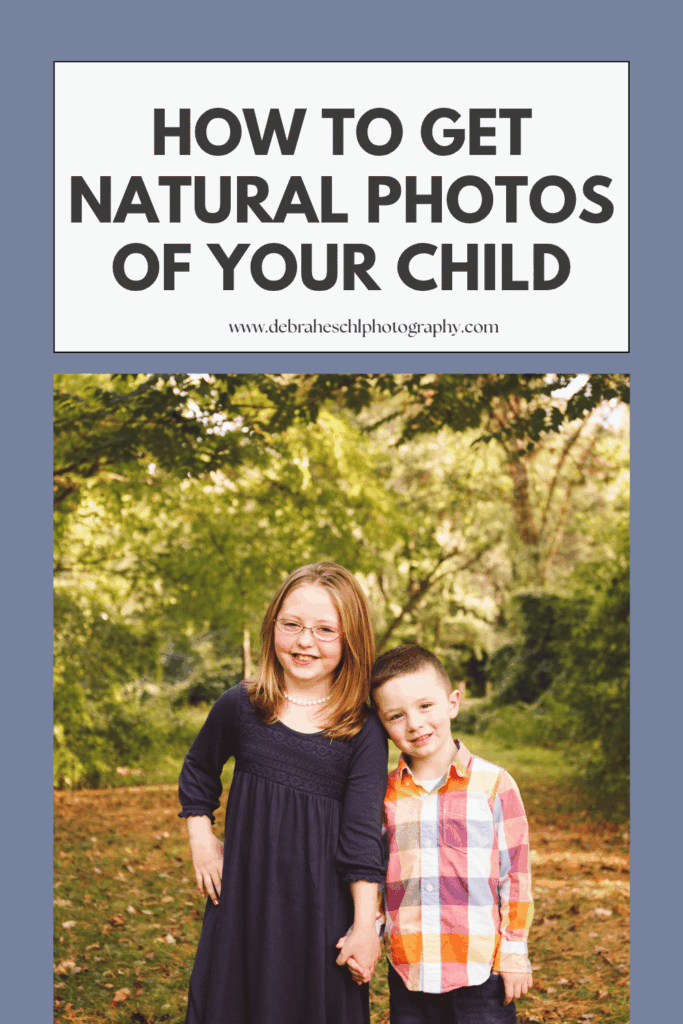
How to Get Natural Photos of Your Child (And Eliminate Fake Smiles)
If your child doesn’t love sitting still or posing for the camera, you’re in good company, and you have absolutely nothing to worry about. Some of the most beautiful portraits come from kids who refused to cooperate on command.
If you’ve ever wondered how to get natural photos of your child, the good news is that it usually has less to do with posing and more to do with creating an environment where your child feels comfortable being themselves.
When children won’t pose, great photographers switch to Plan B: creating conditions where authentic personalities shine naturally.
Roughly 97% of the time, candid shots outperform posed shots, and that’s no coincidence. Real moments are simply more compelling than manufactured ones.
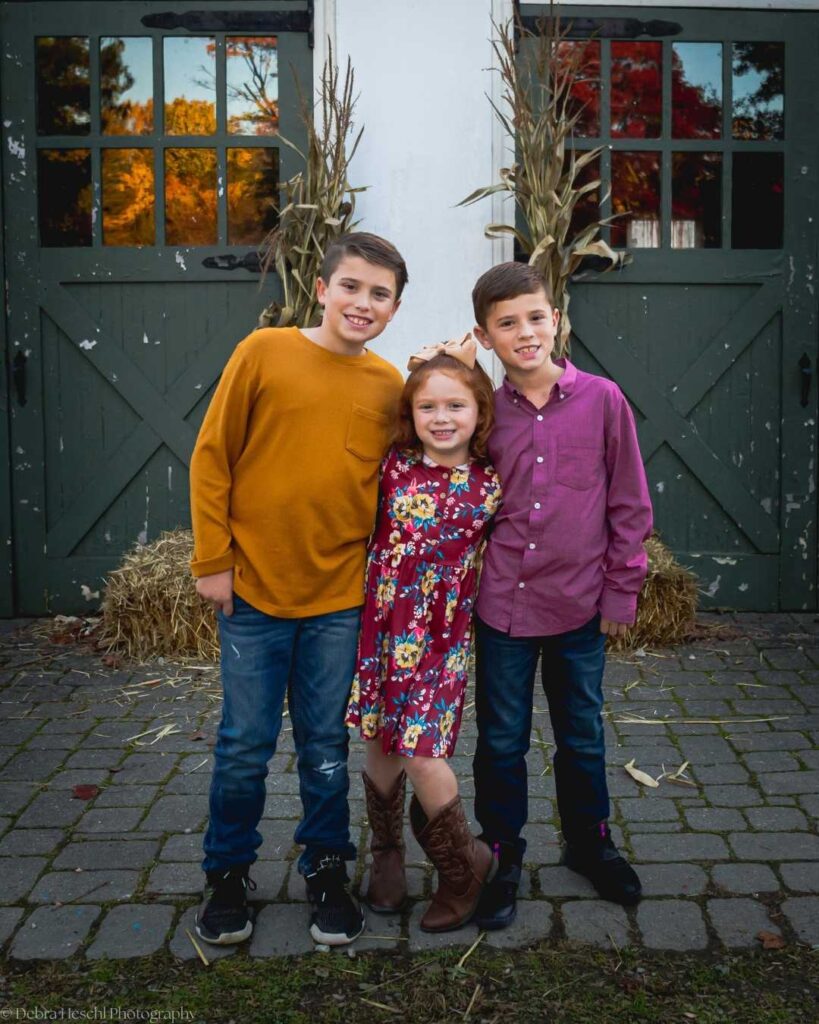
Why kids freeze in front of a camera
Kids can be totally at ease, laughing, playing, completely themselves, right up until a camera appears. Then something shifts. The gritted-teeth grin arrives. The deer-in-headlights stare.
The robotic “say cheese” smile that looks nothing like your actual child. This happens because cameras signal performance.
The moment a child feels like they’re supposed to look a certain way, natural expression disappears. Our job as photographers is to dissolve that pressure entirely.
The secret to natural smiles in children’s photos isn’t asking kids to smile on command. It helps them feel relaxed enough to forget they’re being photographed in the first place.
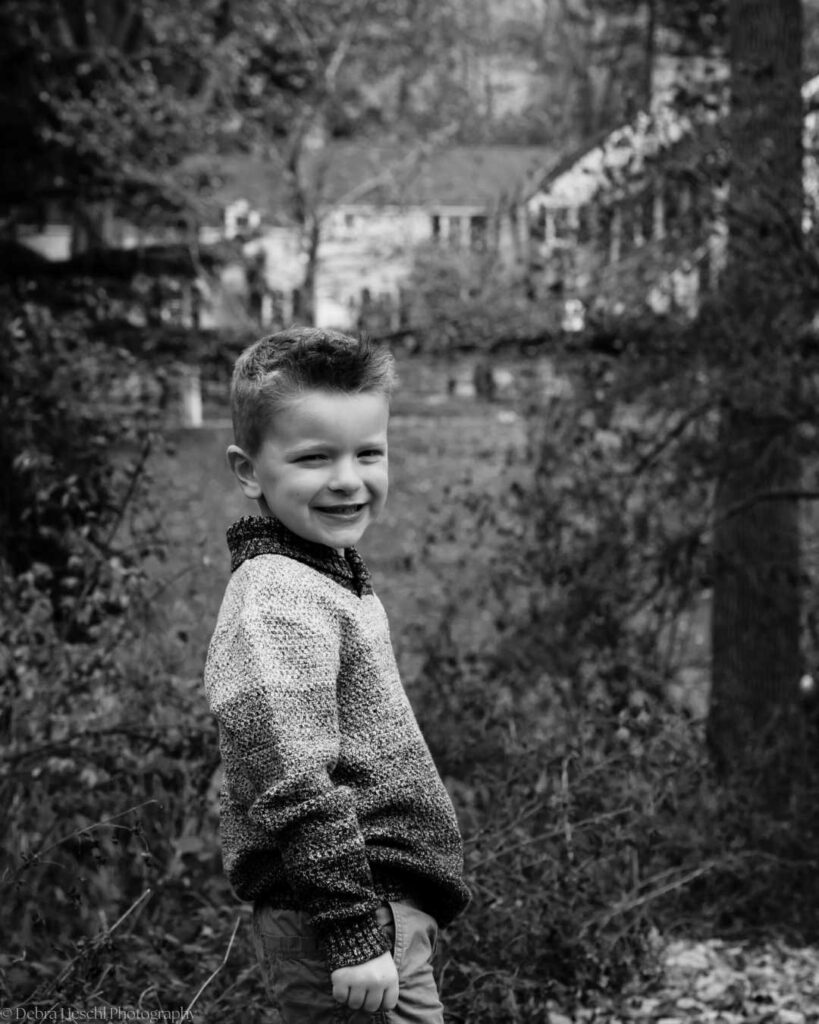
What Natural Child Photography Really Looks Like
Many parents worry that a successful photo session means their child must sit still, smile on cue, and follow directions perfectly. In reality, natural child photography often looks very different.
A child twirling in circles, collecting rocks, telling endless stories, or running through a field can create far more meaningful photographs than a perfectly posed portrait.
These unscripted moments reveal personality, confidence, and emotion in a way that forced smiles simply cannot.
The goal isn’t perfection, it’s authenticity. Years from now, you’ll likely treasure the images that remind you exactly who your child was at that age, quirks and all.
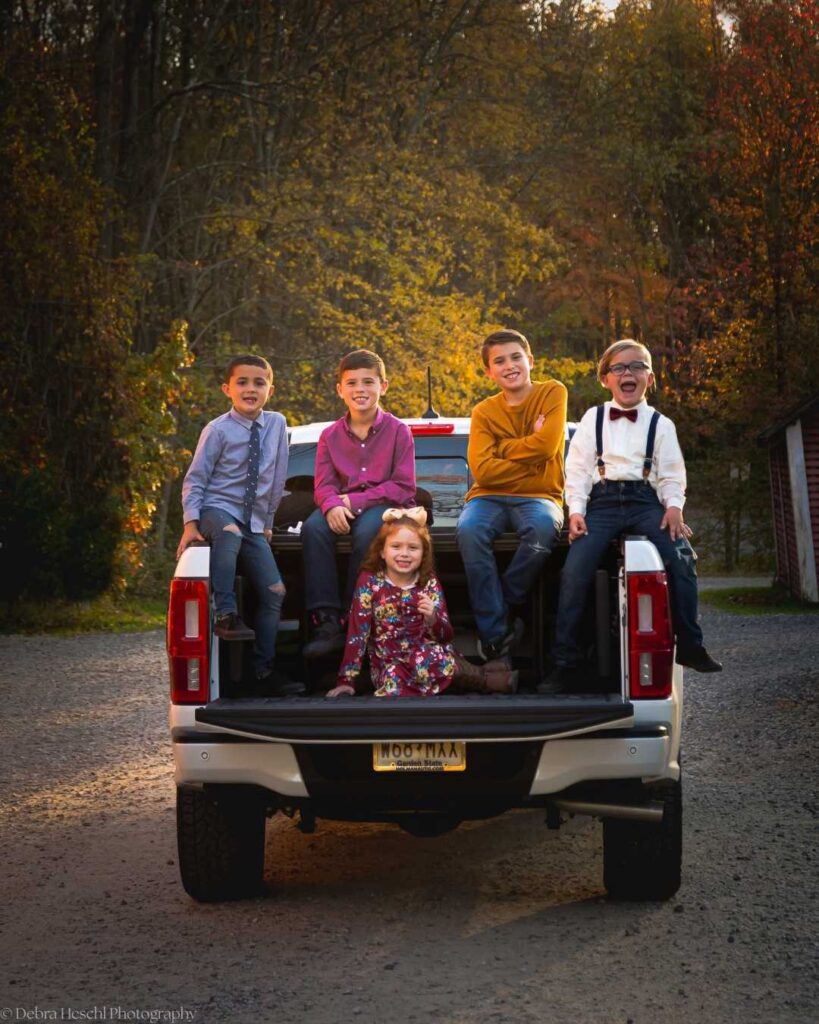
6 things you can do before (and during) your session
Over the years, we’ve discovered that the best child photography tips for parents are often the simplest ones.
Small preparations before your session can make a huge difference in helping your child feel confident and comfortable.
1. Send us a “funny things” list
Before the session, jot down anything that reliably cracks your child up: a phrase, a face, a character voice. We’ll weave these into the session as part of our toolkit.
2. Give us their icebreakers
What shows are they obsessed with? Who are their best friends? What’s their current favorite song? When we can chat about the things they love, they forget there’s a camera altogether.
3. Practice at home first
Try a few phrases or prompts and watch which ones produce the most genuine smiles. And please — unless it genuinely works for your child, skip “say cheese.” We promise there are better options.
4. Let them tell a joke
Ask your child to come ready with their favorite joke. Having them tell it mid-session is a wonderful natural loosener; kids light up when they get to be the funny one.
5. Bring a favorite song
Load their current obsession onto your phone. Whether we play it in the background or you sing a few lines together, music is one of the most reliable ways to spark genuine joy on camera.
6. A little bribery goes a long way
A promised treat, outing, or small toy can work wonders. See our post on why bribery is completely okay during a child’s session. Mentioning it or showing it briefly during the shoot can re-energize a flagging mood.
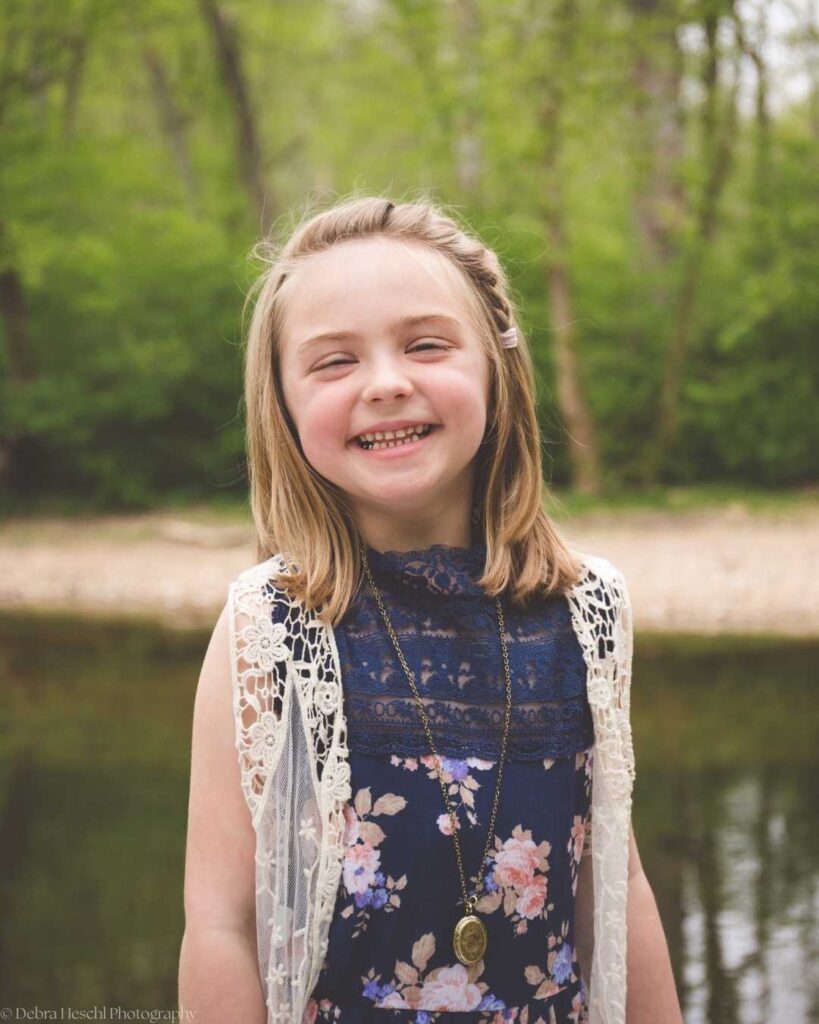
Pro tip: The best photos often happen in the 30 seconds after a child thinks we’re done shooting. Stay relaxed and keep the camera ready even when it seems like “nothing is happening.”
Every child is different, which is why genuine child photography focuses on personality rather than perfection.
Whether your child is outgoing, shy, energetic, or thoughtful, the goal is to capture the real moments that make them unique.
Recommended Posts You’ll Fancy!

Frequenty Asked Questions
The Bottom Line
There’s no single trick that works for every child; that’s what makes creating beautiful, natural child portraits so rewarding.
The more we know about your child ahead of time, the better equipped we are to meet them where they are and capture who they actually are, not the performance of who they think they should be.
Great child photography isn’t about control. It’s about curiosity, patience, and knowing which buttons (metaphorically) to press to light a child up from the inside.
Pin for Later!